
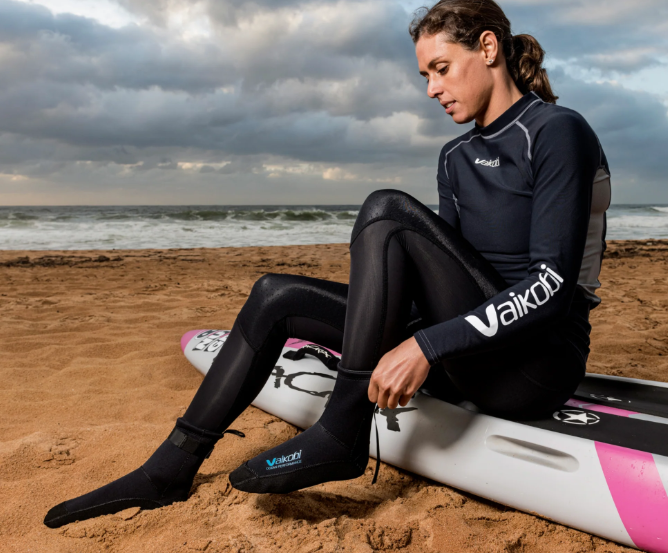
When preparing for water activities in cooler conditions, warmth and comfort are top priorities. While full wetsuits are a common choice, wetsuit pants are becoming increasingly popular for their flexibility and targeted insulation. But just how warm are they? Let’s explore how wetsuit pants work, when they’re most effective, and whether they’re the right choice for your aquatic adventures.
What Are Wetsuit Pants?
Wetsuit pants are specialised thermal garments designed to insulate the lower body in cold or cool water environments. Typically made from neoprene or thermal fabric blends, they offer protection from wind and cold water while allowing for greater freedom of movement compared to full wetsuits. These pants are commonly used in activities like kayaking, stand-up paddleboarding, snorkelling, and open-water swimming—especially when upper-body insulation isn’t needed or when paired with a separate wetsuit top.
How Wetsuit Pants Provide Warmth
Wetsuit pants work by trapping a thin layer of water between your skin and the material. Your body warms this water, and the neoprene or thermal lining prevents heat from escaping. The thickness of the fabric, often ranging from 1.5mm to 3mm, plays a key role in how much warmth is retained. A snug fit is crucial; loose-fitting wetsuit pants allow water to flush in and out, reducing insulation and leaving you feeling colder.
Ideal Water Conditions for Wetsuit Pants
Wetsuit pants are best suited for moderate to cool water temperatures where full-body coverage isn’t necessary. They’re ideal for transitional seasons, tropical destinations with cooler morning waters, or any activity that involves extended time in the water but doesn’t require complete thermal coverage. Their flexibility and comfort make them a favourite for paddlers, snorkellers, divers in warm climates, and swimmers doing open-water training in slightly cooler conditions.
Comparing Warmth: Pants vs Full Wetsuits
When it comes to overall warmth, full wetsuits naturally provide more insulation since they cover the entire body. However, in situations where water temperatures are not extreme, wetsuit pants can be a more comfortable and practical option. The advantage of wetsuit pants lies in their ability to offer core lower-body warmth while allowing the upper body to move freely or stay cooler with a lighter top. This is particularly useful in high-exertion sports or when the air temperature is warmer than the water.
Additional Tips for Staying Warm in Wetsuit Pants
To maximise warmth, many people choose to pair their wetsuit pants with a thermal or neoprene top. Layering with a rashie underneath can also help reduce skin irritation and add comfort. It’s a good idea to warm up your body before entering cold water and limit exposure if you start to feel chilled. Choosing a higher thickness pant or fleece-lined version can significantly increase heat retention during longer sessions.
See also: Best Mushroom Gummies: A Comprehensive Guide to Boosting Health Naturally
Caring for Your Wetsuit Pants to Maintain Warmth
Proper maintenance ensures that your wetsuit pants continue to perform well. After each use, rinse them with fresh water to remove salt, sand, and chlorine. Dry them out of direct sunlight and never use a washing machine or dryer, as heat and friction can degrade the thermal fabric. Store them flat or loosely folded in a cool, dry place to prevent creasing or damage to the material.
Last Thoughts
Wetsuit pants are a versatile and effective solution for staying warm during water sports, particularly in conditions where a full suit might be unnecessary or restrictive. They provide targeted insulation, improved flexibility, and can be easily paired with other gear to suit a wide range of temperatures. Whether you’re paddling through coastal waters or doing laps in an open-water swim, wetsuit pants can help keep the chill at bay while enhancing your performance.