

Industrial components are integral to the functioning of equipment across various sectors, and protecting these small yet crucial parts is essential for maintaining operational efficiency. Caps and plugs play a crucial role in protecting against damage during storage, transit, and handling. Ensuring that threaded and non-threaded components are shielded from environmental contaminants and physical impact can significantly extend their lifespan and reliability. Below, we explore the various ways caps and plugs contribute to the preservation and longevity of industrial components.
Understanding the Role of Caps and Plugs in Component Protection
Caps and plugs are not merely accessories but critical elements for safeguarding components. They are specifically designed to fit over or inside various parts, creating a physical barrier against external factors that could compromise integrity. The use of these devices is crucial during the phases when parts are most vulnerable, such as shipping or on-site storage, when exposure to the elements can occur.
The protection afforded by these small yet essential tools can have a direct impact on the bottom line. Components that are damaged or contaminated often lead to costly delays, additional labor for reworking, or the necessity for replacement—all of which can be mitigated with the proper use of caps and plugs, such as those available from Caps And Plugs.
This protective equipment is varied to accommodate the multitude of shapes, sizes, and uses of industrial components. They can be deployed for everything from protecting the delicate threads on a bolt to sealing off hydraulic fittings from ingress of dust and moisture. The correct application of caps and plugs ensures that components remain pristine until they are ready for use.
Essential Protection Against Contaminants and Damage
Caps and plugs serve several important purposes, primarily protecting against contaminants like dirt, dust, and chemicals, which is crucial in harsh environments. They seal critical areas to maintain purity standards and prevent damage from impacts during handling and transportation, preserving the integrity of components.
Additionally, caps and plugs help prevent long-term degradation, especially corrosion in metal parts, by blocking moisture and corrosive substances. They also enhance safety by covering sharp threads and protruding components, reducing the risk of workplace injuries and ensuring both product and employee protection.
Caps and Plugs: Enhancing the Durability of Your Equipment
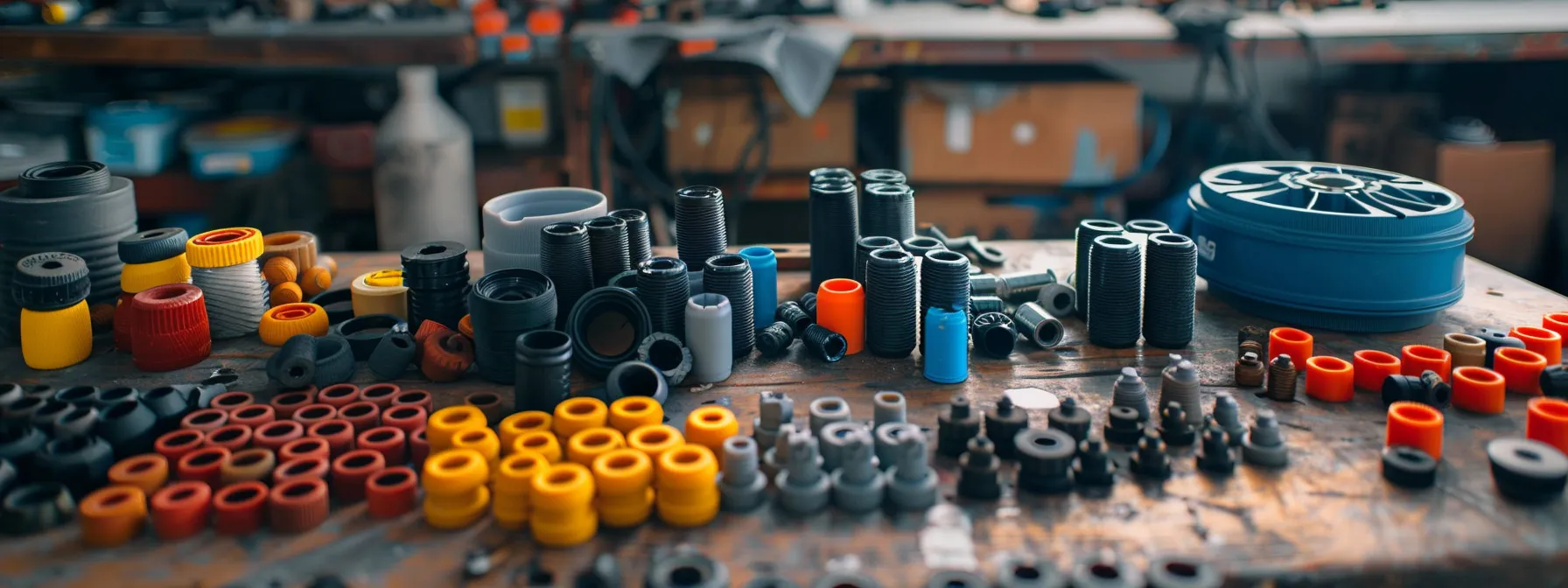
Long-term durability is essential for industrial equipment, and caps and plugs play a significant role in achieving this. They help minimize wear and tear on components, reducing maintenance issues, downtime, and enhancing productivity.
Available in materials like rubber, plastic, silicone, or metal, caps and plugs offer various levels of resilience and elasticity, ensuring a snug fit for different conditions, including high temperature and chemical exposure. In industries with sensitive electronics, anti-static plugs protect against electrostatic discharge (ESD), preventing potential damage to components.
Investing in quality caps and plugs helps reduce maintenance costs, as well-protected components often last longer than the initial investment. This highlights the importance of these small yet crucial items in the industrial sector.
See also: The History and Future of Video Streaming Technology
The Versatility of Caps and Plugs for Various Industries
The utility of caps and plugs extends to a multitude of sectors, each with its own unique set of challenges. The aerospace industry, for instance, relies on caps and plugs to protect components that must endure extreme conditions. In the medical field, the emphasis on sterility makes caps and plugs indispensable for keeping instruments and devices free from contamination.
In the automotive industry, with its complex machinery and high precision standards, caps and plugs play a crucial role in both the manufacturing process and vehicle maintenance. For oil and gas operations, which often involve corrosive substances and harsh conditions, caps and plugs ensure that fittings and valves stay secure and uncontaminated.
The electronics industry also benefits from the use of these protective devices. With miniaturization and the high density of components on modern circuit boards, the risk of damage or cross-contamination is high. Caps and plugs solve these issues by providing targeted protection during manufacturing, shipping, and assembly.
The judicious application of caps and plugs in protecting industrial components is indispensable. By understanding their role, ensuring proper use, and considering the specific requirements of various industries, companies can prevent undue damage and contamination, enhancing the longevity and reliability of their equipment. These humble protectors carry a significant weight in the pursuit of operational excellence.