
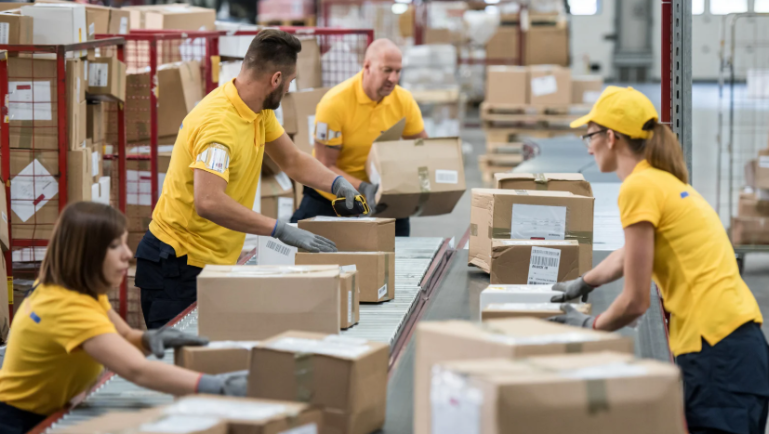
In today’s logistics-driven world, custom transport packaging plays a critical role in protecting products during shipment while maximizing efficiency and cost savings. With global supply chains operating at high volumes, businesses must adopt flexible and scalable packaging systems. Modular design has emerged as a game-changer, allowing organizations to streamline operations, reduce waste, and adapt quickly to changing shipping requirements.
Unlike traditional packaging methods, modular systems are built for versatility, engineered to fit multiple product types, transport modes, and handling processes without compromising protection or efficiency.
Optimizing Space and Reducing Shipping Costs
One of the primary advantages of modular packaging design is optimized space utilization. Traditional fixed-size crates or containers often leave unused gaps that lead to inefficient stacking and wasted storage. Modular units are designed to interlock, adjust, and stack efficiently, minimizing empty space during loading.
Better space efficiency translates to fewer transport trips, lower fuel consumption, and reduced carbon emissions. This modular structure ensures goods remain secure during movement, limiting vibration or impact damage while cutting transportation costs and environmental impact simultaneously.
See also: The History and Future of Video Streaming Technology
Adaptability Across Industries
Modular design in transport packaging provides unmatched adaptability. It allows businesses to reconfigure packaging layouts based on product size, fragility, or shipping method. Whether handling industrial components, electronics, or medical devices, modular systems can accommodate varying dimensions without requiring entirely new packaging sets.
This level of flexibility is particularly valuable in manufacturing and logistics sectors where product lines frequently change. Instead of designing new crates or containers each time, modular systems use adjustable panels or inserts to adapt quickly, reducing downtime and production expenses.
Enhanced Durability and Sustainability
Durability and sustainability go hand in hand with modular packaging. Components are often built from high-strength, reusable materials that withstand multiple shipping cycles. By minimizing the need for single-use materials, modular systems reduce waste and support long-term environmental goals.
Moreover, using the right packaging materials and their types plays a crucial role in achieving a balance between protection and sustainability. Advanced modular crates often incorporate eco-friendly composites or recyclable plastics that maintain performance standards while supporting green logistics initiatives. The ability to reuse, repair, and reconfigure these modules makes them both cost-efficient and environmentally responsible.
Improved Supply Chain Efficiency
A well-structured modular packaging system enhances workflow consistency. Because modular components are standardized, they simplify loading, unloading, and stacking across multiple transport modes, road, air, and sea. This interoperability reduces handling time and risk of damage while supporting lean logistics principles.
For global shippers, standardization also ensures compliance with international regulations and faster customs processing. The ability to maintain product integrity from origin to destination helps build customer trust and long-term operational stability.
Conclusion
Modular design has transformed how businesses approach transport packaging. It offers flexibility, durability, and efficiency, key elements for modern logistics operations. By integrating adaptable and reusable structures, companies can cut waste, improve cargo safety, and strengthen sustainability efforts. As global supply chains continue to evolve, modular packaging design stands out as a strategic investment for businesses that value performance, innovation, and environmental responsibility.