
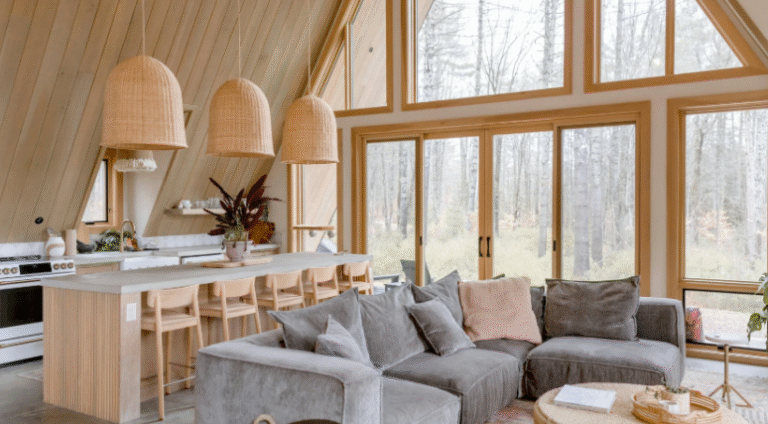
Upgrading to energy-efficient windows is a strategic move for homeowners looking to cut utility costs and boost comfort. Vinyl windows in Houston offers an ideal combination of affordability, durability, and thermal performance, making them a smart investment for long-term energy savings. These windows are engineered to minimize heat transfer, seal out drafts, and maintain indoor temperatures year-round without overworking your HVAC system. With the right installation and routine care, vinyl windows can significantly reduce monthly energy bills while enhancing your home’s resale value.
Designed for Efficiency
Vinyl windows are built with energy savings in mind. The material’s insulating properties outperform many traditional options, preventing heat transfer during both summer and winter. This thermal resistance plays a critical role in maintaining consistent indoor temperatures, reducing the workload on your HVAC system.
Homeowners in humid or hot regions benefit from vinyl’s low thermal conductivity, which keeps interiors cooler without over-reliance on air conditioning. In colder months, the same insulation helps retain indoor heat, making it a year-round energy solution. The performance only increases with multi-pane glass, low-E coatings, and gas fills, all of which are commonly offered in modern vinyl window designs.
See also: The History and Future of Video Streaming Technology
Enhanced Performance Over Time
One of the biggest advantages of choosing vinyl is its long-term durability paired with minimal upkeep. Unlike wood, vinyl resists warping, cracking, and moisture absorption, common issues that undermine the energy efficiency of older window models. That longevity ensures your energy savings continue year after year without needing expensive repairs or refinishing.
For homeowners who want to stretch their investment, understanding how to maximize the lifespan of their vinyl windows is essential. Routine inspections for weatherstripping, frame seals, and operational hardware help sustain optimal insulation and prevent small inefficiencies from compounding into larger energy losses. Proper care maintains not only appearance but also thermal performance.
Insulation That Reduces HVAC Dependence
Poor window insulation is one of the leading causes of energy waste in residential buildings. Even small gaps or poorly fitted frames can leak conditioned air and allow drafts, driving up heating and cooling costs. Vinyl windows, particularly those installed by experienced professionals, are precision-engineered for tight seals and superior insulation.
Because they’re fusion-welded at the corners and custom-fitted for each opening, vinyl frames create an airtight barrier. This limits air infiltration, improves comfort, and reduces fluctuations that cause your HVAC system to work harder. The result: lower monthly utility bills and a lighter environmental footprint.
Long-Term Value With Minimal Maintenance
While other materials may require sanding, painting, or sealing over time, vinyl maintains its efficiency with little effort. Simple cleaning and occasional checks are all it takes to keep them in peak condition. This low-maintenance system not only saves time but also protects your return on investment by ensuring optimal energy performance throughout its lifespan.
Additionally, vinyl is highly resistant to UV rays and fading, helping preserve the energy-reflective qualities of any coatings applied to the glass. Homeowners looking for a long-term, energy-conscious solution that doesn’t involve complex upkeep often find vinyl the most practical option.
Conclusion
Investing in high-quality vinyl windows offers more than just an aesthetic upgrade; it provides tangible savings on energy bills and a more comfortable living environment. With proper installation and simple upkeep, these windows deliver exceptional thermal performance that continues to pay dividends over time. Their low-maintenance design, superior insulation, and long lifespan make them a smart choice for homeowners focused on long-term efficiency. Whether you’re planning a full window replacement or improving your home’s energy profile, vinyl remains a cost-effective, reliable solution that supports both comfort and sustainability.