
MakeAmom is a U.S.-based English fertility resource that helps people explore family-building options outside traditional clinic settings. This article explains at-home insemination kits, the basics of intra-cervical insemination (ICI), timing with ovulation, and practical steps to increase chances of conception. It aims to be clear, actionable, and supportive for readers considering at-home options.
What Is MakeAmom?
MakeAmom provides educational content, product information, and community support focused on fertility and at-home conception methods. The site offers guidance for single people, same-sex couples, and partners facing fertility barriers who prefer privacy, affordability, or convenience. MakeAmom’s resources typically cover legal considerations, product choices such as at-home insemination kits, and evidence-based tips for optimizing conception chances.
See also: Navigating the Intersection of Orthodontics and Lifestyle Choices
What Are At-Home Insemination Kits?
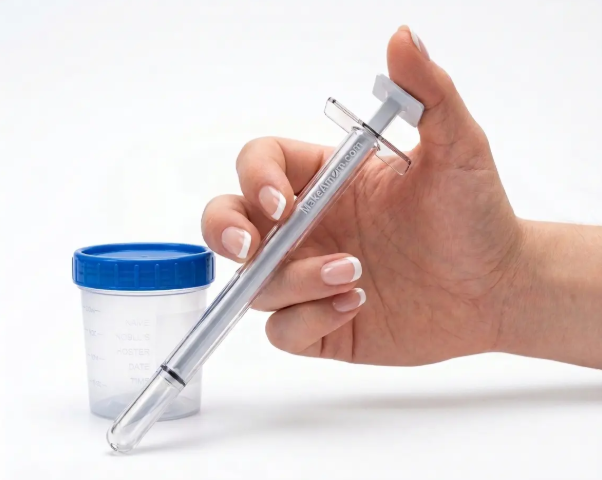
At-home insemination kits contain tools to place prepared sperm into the vagina or near the cervix without a medical clinic visit. Kits vary but often include a syringe or catheter, collection cup, instructions, and sometimes lubricants or warming packs. Some brands offer sperm-washing accessories or guidance for using donor sperm. These kits are designed for intra-vaginal or intra-cervical insemination procedures that attempt to mimic the sperm placement of intercourse in a controlled, hygienic way.
Understanding ICI (Intra-Cervical Insemination)
ICI, or intra-cervical insemination, refers to placing sperm at the entrance of the cervix or into the vaginal canal near the cervix. It is the most common at-home method because it’s simple and requires minimal equipment: typically a syringe without a needle and a gentle insertion technique. ICI differs from IUI (intrauterine insemination), which is performed in clinics with specialized equipment to deposit sperm directly into the uterus. ICI is less invasive and less expensive but may have lower success rates than IUI in some clinical situations.
How Ovulation Timing Affects Success
Timing insemination to ovulation is critical for conception. Ovulation usually occurs about 12–16 hours after the luteinizing hormone (LH) surge and roughly 24–36 hours before the egg is released into the fallopian tube. Fertility windows typically span about six days five days before ovulation and the day of ovulation because sperm can survive in fertile cervical mucus for several days. Tracking ovulation with LH predictor kits, basal body temperature charts, cervical mucus monitoring, or ovulation-tracking apps improves the chance that sperm will be present when the egg is available.
Preparing for At-Home Insemination
Preparation improves safety and comfort. Choose a reputable at-home insemination kit and read instructions fully. Ensure clean hands and a disinfected work area. If using donor sperm, confirm legal and medical screening procedures and store samples according to kit recommendations. Consider having a towel and pillow for positioning, and arrange a comfortable space to remain lying down for 10–20 minutes after insemination if recommended by the kit instructions.
Step-by-Step ICI Procedure
Performing ICI at home generally follows a clear sequence: collect or thaw the sperm sample per kit instructions; load the syringe or catheter carefully to avoid air bubbles; assume a comfortable position such as lying with hips elevated (a small pillow under the hips helps); gently insert the syringe tip into the vagina near the cervix and slowly depress the plunger to deposit sperm; remain still for 10–20 minutes to allow sperm to move toward the cervix. Avoid deep or forceful insertion and never use needles. Follow the kit’s specific guidance and maintain hygiene throughout.
Sperm Quality and Handling Tips
Sperm quality affects outcomes. Fresh samples generally perform better than thawed ones, though proper thawing protocols are effective for frozen donor sperm. Limit the time between sample collection and insemination, avoid exposing sperm to extreme heat or cold, and do not use oils or non-fertility lubricants that impair sperm motility. If using partner sperm, abstain from ejaculation for two to three days before collection to optimize concentration, but avoid longer periods that could reduce motility.
When to Consider Medical Help
At-home insemination is appropriate for many, but medical consultation is recommended if you have known tubal disease, severe male factor infertility, irregular ovulation, recurrent pregnancy loss, or unsuccessful attempts after several cycles. A fertility specialist can assess ovarian reserve, sperm parameters, and fallopian tube patency and recommend intrauterine insemination (IUI), in vitro fertilization (IVF), or other interventions if needed. Seeking legal advice about donor sperm agreements is also wise when applicable.
Safety, Legal, and Emotional Considerations
Safety includes following kit instructions, using sterile equipment, and verifying donor screening when applicable. Legally, donor sperm arrangements vary by jurisdiction; documentation can protect parental rights. Emotionally, at-home conception can carry stress or isolation; reach out to support groups, counselors, or communities MakeAmom often lists forums and resources to help people connect and share experiences.
Comparing Costs and Outcomes
At-home ICI is usually far less expensive than clinic IUI or IVF, making it attractive for budget-conscious users. Success rates vary with age, fertility cause, and timing; for otherwise fertile individuals, cumulative pregnancy chances over several cycles can be reasonable. However, clinics offer higher success rates for certain conditions. Evaluate costs, convenience, and likelihood of success when choosing between at-home kits and clinical treatments.
Practical Tips to Improve Chances
Small adjustments can improve outcomes: track ovulation with multiple methods for accuracy; maintain a healthy lifestyle balanced diet, moderate exercise, and avoiding smoking or excessive alcohol; manage stress with relaxation techniques; ensure adequate micronutrients such as folic acid for prospective mothers; and coordinate insemination around peak fertility days (the day before and the day of ovulation are key). Keep records of cycles and outcomes to spot patterns and inform future decisions.
Choosing the Right At-Home Insemination Kit
Look for reputable brands with clear instructions, medical-grade materials, and positive user reviews. Consider whether the kit supports fresh or frozen sperm, includes necessary collection and insertion tools, and offers customer support. If privacy is a concern, check packaging and shipping policies. When in doubt, consult MakeAmom’s reviews or compare manufacturer specifications and return policies.
Conclusion
MakeAmom and at-home insemination kits provide practical, accessible options for people building families outside traditional clinic pathways. Understanding ICI technique, timing with ovulation, proper sperm handling, and when to seek medical help raises your chances of success while keeping costs and invasiveness low. For many, at-home insemination represents an empowering, private route to conception paired with good preparation, attention to timing, and awareness of safety and legal implications.